
Student Insurance Myths vs Reality for College Independence
Leaving for college comes with a long checklist: housing, classes, meal plans, books, transportation, and the quiet question many families forget to ask until something goes wrong: what happens to your stuff?
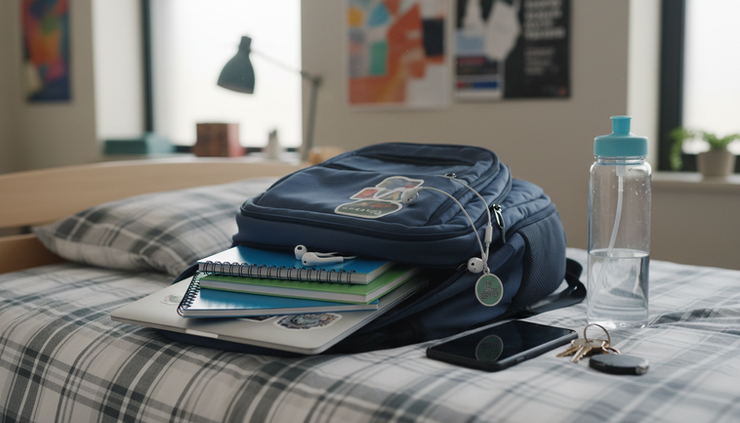
A laptop in a backpack, a phone on a desk, a bike outside the dorm, and clothing packed into a shared room may not feel like “major assets.” But replacing them all at once can be stressful and expensive. Insurance is not the most exciting part of college preparation, but it can make independence feel a lot more secure from day one.
This guide breaks down common renters insurance and auto insurance myths for students in a realistic way, so families can ask better questions before move-in day.

Renters insurance is not only for people with expensive furniture
One of the biggest myths about renters insurance is that it only matters if a student owns costly furniture or high-end electronics. In reality, renters insurance often focuses on personal belongings, not just furniture.
Think about what a student may bring to school:
Common student items | Why they matter |
Laptop or tablet | Often needed for classes, homework, exams, and communication |
Smartphone | Expensive to replace and used daily |
Bicycle or scooter | A common way to get around campus |
Clothing and shoes | Costs can add up quickly |
Books and supplies | Some course materials are not cheap |
Gaming console or musical instrument | May be valuable even if not essential |
The point is simple. A dorm room or apartment does not need luxury items to contain things worth protecting.
Renters insurance may also include personal liability coverage, which can matter if someone is accidentally injured in the student’s space or if the student accidentally damages someone else’s property. Coverage varies by policy, so it is important to read the details instead of assuming.
This article is for general information only. Insurance coverage, exclusions, and pricing vary by state, insurer, policy, and living situation.
Your parents’ policy may not cover everything
Another common assumption is that a parent’s homeowners or renters policy automatically covers a student’s belongings while they are away at college. Sometimes it may. Sometimes it may not.
The answer can depend on several details:
Whether the student lives in a dorm, off-campus apartment, or shared rental house
Whether the student is considered a dependent
Whether the student lives at school full time
The limits on property coverage away from home
The deductible on the parent’s policy
The type of loss involved
A student living in a dorm may be treated differently than a student renting an off-campus apartment. A parent’s policy may offer limited coverage for belongings away from home, but that limit may not be enough to replace a laptop, phone, bike, and clothing after a covered loss.
This is where a separate renters insurance policy may make sense. It can provide clearer coverage for the student’s personal belongings and may avoid using a parent’s homeowners policy for a smaller claim.
Renters insurance may cost less than many students expect
Many students assume renters insurance is too expensive. In many cases, it is one of the more affordable types of insurance, especially compared with auto insurance or health coverage.
The actual cost can vary based on location, coverage limits, deductible, claims history, and the insurer. Still, for many students, the monthly price may be similar to a few coffee shop visits or a streaming subscription. That does not mean every policy is automatically a good fit, but it does mean the cost is worth checking before dismissing it.
When comparing options, families should look beyond the monthly premium. A low-cost policy may not be useful if the deductible is too high or if certain items are excluded.
A few practical questions can help:
What is the personal property limit?
Does the policy cover replacement cost or actual cash value?
Is the laptop covered for theft outside the dorm or apartment?
Is the bicycle covered if it is stolen from a campus rack?
What water damage situations are covered?
What is excluded?
Price matters, but coverage details matter more.
Renters insurance is not only about theft
Theft is the risk most people think about first, especially on a campus where bikes, electronics, and backpacks move around constantly. But renters insurance may cover more than stolen property.
Depending on the policy, it may help with losses caused by:
Possible covered event | Example |
Fire | A small apartment fire damages clothing and electronics |
Certain water damage | A pipe leak damages belongings |
Smoke damage | Items need cleaning or replacement after a covered event |
Vandalism | Personal items are damaged in a covered situation |
Theft | A laptop or bike is stolen |
Coverage for water damage can be especially misunderstood. Renters insurance typically does not cover every kind of water problem. For example, flood damage from natural flooding is usually handled separately. A sudden pipe leak may be treated differently.
The key is not to guess. Read the policy and ask direct questions before signing.

Auto insurance decisions change when college begins
College can also change auto insurance needs. A student may take a car to another city or state, leave it at home, drive only during breaks, or share a vehicle with family members.
Each situation can affect coverage.
If the student brings a car to school, the insurer may need to know where the car will be kept. Garaging location can matter because risk can vary by ZIP code, parking setup, and local driving conditions.
If the student does not bring a car, families should ask whether it makes sense to keep the student on the parents’ policy. Removing a student driver is not always the best choice if they still drive during holidays, summer break, or visits home.
Some student-related auto insurance options may include:
Good student discounts for eligible students who meet grade requirements
Distant student discounts when a student attends school far from home without a car
Staying on a parent’s policy when allowed and appropriate
Creating a separate policy if the student owns the car or lives independently
Updating coverage if the car is taken to another city for school
The right setup depends on ownership, address, driving frequency, state requirements, and insurer rules. A quick policy review before the semester starts can prevent confusion later.
Independence feels better with a simple insurance checkup
Insurance is not about expecting the worst. It is about making sure one bad day does not turn into a financial setback.
Before move-in, students and families can make a short checklist:
Make a basic inventory of important belongings.
Take photos of electronics, bike, musical instruments, and other valuables.
Check whether a parent’s policy applies to the student’s housing.
Compare renters insurance if coverage is limited or unclear.
Review auto insurance if the student will drive at school or during breaks.
Ask about available student discounts.
Save policy documents somewhere easy to access.
This kind of review does not need to take long. It just needs to happen before there is a claim.

Protecting independence starts before the first class
College is a major step toward independence. That independence includes new choices, new responsibilities, and a few risks that are easier to manage with the right coverage.
The biggest takeaway is simple: do not rely on assumptions. A parent’s policy might help, but it might not cover everything. Renters insurance may be more affordable than expected. Auto insurance may need an update when a student’s driving routine changes.
A careful review now can protect the laptop used for assignments, the bike used to get across campus, the car used to travel home, and the peace of mind that makes college life easier to enjoy.


Comments